Most intruder alarms detect a breach and make noise. That is where the protection ends. We design monitored intruder systems that detect unauthorised entry, escalate through a defined response chain, integrate with CCTV for visual verification, and provide genuine out-of-hours protection – so your site is defended when nobody is there.
A standalone intruder alarm that sounds a bell or siren is a passive deterrent at best. If nobody is listening, nobody responds. The vast majority of commercial break-ins happen out of hours – evenings, weekends, bank holidays – when your premises are unoccupied and a sounder alone achieves nothing.
Passive systems create a false sense of security. They detect an event but have no mechanism for escalation. There is no defined chain of response – no call to a keyholder, no visual verification, no coordination with authorities. The alarm triggers, rings for a set period, resets, and the damage is already done.
Monitored intruder alarm systems change this entirely. Detection triggers an immediate alert to a monitoring station. Operators verify the event – often cross-referencing CCTV footage in real time – and escalate according to a pre-agreed procedure: keyholder notification, security response, police dispatch. The result is intervention, not just noise.
The difference between a passive alarm and a monitored, integrated system is the difference between recording a loss and preventing one.
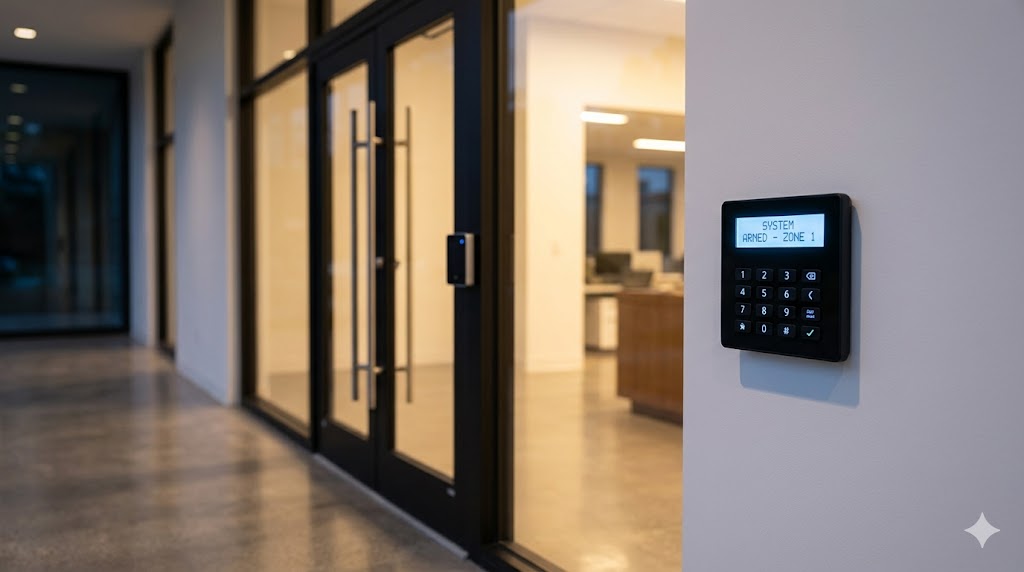
Every system is designed around your site layout, operating hours, risk profile and response requirements. These are the core capabilities we build into commercial intruder alarm installations.
Multi-zone coverage using PIR sensors, magnetic contacts, vibration detectors and beam barriers. We map detection zones to your site layout so every entry point and vulnerable area is covered with the right sensor type.
When an alarm triggers, the monitoring station verifies the event and follows a pre-defined escalation procedure – keyholder contact, security dispatch or police response – within seconds, not minutes.
Your site is most vulnerable when it is empty. We design systems specifically for out-of-hours operation – automatic arming schedules, night-mode zones, tamper alerts and 24/7 monitoring that covers evenings, weekends and holidays.
Intruder alarms linked to CCTV enable visual verification at the point of detection. Monitoring operators see what triggered the alarm before escalating – reducing false callouts and accelerating response to genuine events.
From standalone wired panels for single-unit premises to wireless, scalable systems for multi-zone sites and fully integrated alarm networks across multiple buildings. We specify the right grade and complexity for your risk level.
Receive real-time push notifications when your alarm activates or is disarmed. View system status, arm and disarm remotely, check event logs and manage user access from your phone – giving you visibility and control wherever you are.
Every commercial premises has a different risk profile. A warehouse with perimeter fencing, loading bays and high-value stock requires a fundamentally different detection strategy to a serviced office block with multiple tenants and shared access points. We do not install off-the-shelf alarm kits. We design zone-based detection layouts around your specific site.
We start with a site survey – assessing entry points, vulnerable elevations, internal layouts, existing infrastructure and your operating patterns. We then specify the right sensors for each zone, configure detection sensitivity to minimise false alarms, and build an escalation procedure that matches your response requirements.
Where the system integrates with CCTV, alarm triggers automatically pull up the relevant camera feed at the monitoring station. This visual verification step means operators can confirm whether an event is genuine before escalating – reducing unnecessary callouts and ensuring that when a response is dispatched, it is warranted.
Ongoing maintenance keeps detection reliable. Sensors degrade, batteries expire, firmware needs updating. Our maintenance plans include scheduled system checks, remote diagnostics and priority callout support so your intruder alarm performs as designed – every day, every night.
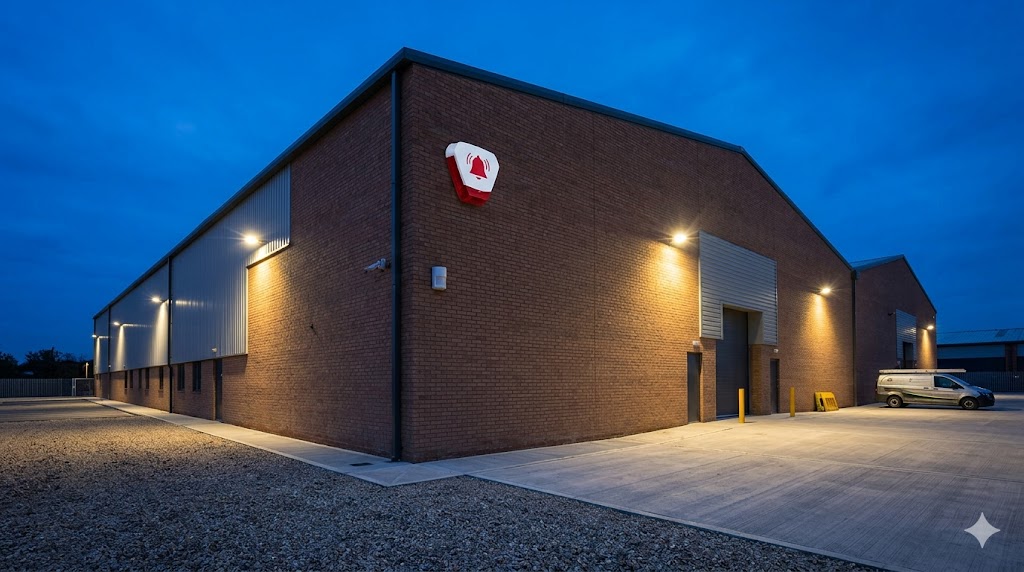
We design and install intruder detection for a wide range of commercial environments – each with sector-specific risks and response requirements.
After-hours protection for stock rooms, shop floors and rear access points. Integrated with CCTV for visual verification and rapid police response.
Perimeter beam detection, loading bay sensors and internal zone coverage for large footprint sites with high-value inventory.
Discreet zone-based detection with multi-user access codes, timed arming schedules and integration with access control systems.
Robust detection across large, complex sites with multiple buildings, external yards and equipment storage areas.
Temporary wireless intruder systems for active construction sites – protecting plant, materials and tools during unoccupied periods.
Consistent alarm standards, centralised monitoring and coordinated escalation procedures across all locations.
An unmonitored alarm detects a breach and sounds a local siren – but nobody is alerted remotely and no response is coordinated. A monitored alarm sends an immediate signal to a 24/7 monitoring station where operators verify the event and escalate according to a pre-agreed procedure: contacting keyholders, dispatching security or alerting police. Monitored systems provide genuine intervention, not just noise.
Yes. We routinely integrate intruder alarms with CCTV so that when a zone triggers, the relevant camera feed is automatically presented to monitoring operators. This enables visual verification – confirming whether the alarm is genuine before escalating. It reduces false callouts significantly and ensures that real incidents receive an immediate, appropriate response.
False alarms are typically caused by poor sensor placement, incorrect sensitivity settings, environmental factors or user error. We address all of these through proper site survey and system design – placing sensors correctly, configuring detection thresholds for each zone, using dual-technology detectors where appropriate, and providing clear user training. Visual verification via CCTV also prevents unnecessary escalation of non-events.
On a monitored system, the alarm signal is received by the monitoring station immediately – regardless of time. Operators verify the event (using CCTV where integrated), then follow your escalation procedure. This typically involves calling your designated keyholders, dispatching a security response team, or alerting the police directly. You receive notifications throughout the process.
Yes. All of our intruder alarm installations include maintenance options – either as part of a fixed monthly plan or on a standalone maintenance agreement. This covers scheduled system health checks, sensor testing, battery replacement, firmware updates and priority callout support. Regular maintenance is essential to ensure detection remains reliable and insurance compliance is maintained.
In most cases, yes. We assess your existing system – panel type, wiring, sensor condition and coverage – and determine what can be retained and what needs replacing. If your current system is fundamentally sound but lacks monitoring or integration, we can often add those capabilities without a full replacement. If the system is outdated or unreliable, we design a cost-effective upgrade path.
"After a break-in at our retail unit, we needed a reliable security partner fast. A Eye had cameras installed within a week, and the monitored response has already prevented two further incidents. Cannot recommend highly enough."
Rated 10/10 on Checkatrade and 5/5 on Google Reviews
Tell us about your site and we will arrange a free, no-obligation survey. We assess your premises, identify vulnerabilities, and recommend an intruder alarm system that provides genuine protection – not just compliance.